You Will Never Die!

This Course Will Give You the Proof

Area 1 — Proof Your Loved One Is Alive and Well in the Afterlife

The Afterlife Research and Education Institute has created apps with:

You can go through the apps at https://afterlifeinstitute.org. The following sample is from the app with the proof you will never die. To see the whole app with 10 lessons full of evidence that you and your loved ones will live together in the afterlife, go to this link: https://youwillneverdie.afterlifeinstitute.org/

Guided Afterlife Communications Help People Talk to Deceased Loved Ones

Introduction to Lesson 6

The cases so far have largely involved gifted mediums or spontaneous experiences outside anyone’s control. This lesson turns to something different: structured methods, developed and tested by researchers and therapists, that appear to help ordinary people — without any special gift — experience their own connection with a deceased loved one.

Induced After-Death Communication (IADC) Demonstrates That Consciousness Survives Bodily Death

Dr. Allan Botkin

Induced After-Death Communication (IADC), developed by psychologist Dr. Allan Botkin, began almost by accident — during a therapy session using bilateral eye-movement techniques, a grieving client unexpectedly reported a vivid encounter with his deceased loved one. Botkin refined the method over thousands of subsequent sessions, and it has since been used by other clinicians who report similar results: clients experiencing what they describe as direct, unmistakable contact, often resolving grief in a single session in a way years of conventional therapy had not.

This is the narration of Dr. Botkin’s account of an afterlife communication a client named Sally experienced while sitting in his office. Dr. Botkin doesn’t lead her into experiences. He uses EMDR to put her into the state of mind in which the afterlife communication happens all by itself. Dr. Botkin always said, ‘Our loved ones in spirit make the best therapists.’ Sally then describes what went on in her mind during the communication.
Dr. Botkin’s account of his session with Sally

As Sally sat across from me in my office, she wept, clutching a wet handkerchief. Her depression wasn’t responding to medications so she was referred to me. As we talked, it became clear she was deeply in grief over her father’s death five years ago. When she was ready, I used a powerful new psychotherapy tool called eye-movement desensitization and reprocessing, or EMDR, to reduce her overwhelming sadness and the pain of the images of her father dying. I had discovered that using EMDR opens the patient to communication from the people for whom they are grieving, now living in the afterlife. Between 85% and 95% of my patients have afterlife connections while sitting in my office. I call the procedure Induced After-Death Communication or IADC.

After Sally’s sadness had decreased, I began the IADC procedure and asked her to close her eyes and go with whatever happened. After a moment, with her eyes still closed, she said excitedly, “I can see my dad. He looks healthy again. He looks happy. Grandma and grandpa are with him . . . and two of my aunts . . . and my uncle who died long ago. They’re partying, laughing . . . Oh . . . they’re enjoying themselves. They’re in a room filled with bright white light.”

She opened her eyes and looked at me. She said excitedly, “I could feel their happiness. I was wishing I could be with my father . . . I don’t mean suicide. I just wanted to be with him now, but I know I can’t.”

I started another IADC procedure while she held that thought in mind. The same scene came back, but there was more. She said, “He walked right up to me and said he was still with me in a very important way, that I should continue to take care of my children, and that he would come for me when it was my time.” She smiled warmly through gently flowing tears.

When Sally left my office that day, all her grief and pain over the death of her father were gone. As she was leaving, she said, “That was absolutely amazing. As soon as I felt I was reconnected with them, my sadness vanished. I know that was really them. I’ll have to tell my brother about this. I know he’ll think I’m a raving lunatic, but I don’t care; I feel great.”

From that day on, Sally no longer experienced any symptoms of depression.

A man named Jim had an IADC session with Dr. Botkin to resolve the grief over the death of his friend, Simon. He had been very close to Simon and his wife, Darlene. In the IADC Jim saw Simon and talked with him. But what is most remarkable is what happened after the session. This is Dr. Botkin’s description of what happened.

Dr. Botkin’s account of his session with Jim

After Jim had a successful afterlife connection with his friend Simon that resolved his grief over the death of his friend, Jim said, “I feel he’s OK. But you know, I was really hoping to have a message for Darlene. She’s not doing well at all.” I induced another after-death communication so Jim could ask Simon for a message for Darlene. He closed his eyes for a couple of minutes. When he opened his eyes, Jim described what he had seen. He said he had seen only two hands: a broad, masculine hand over a feminine hand. He felt they were Simon’s and Darlene’s hands, but there was no message. Jim was disappointed that he didn’t have a message for Darlene but elated at the contact with his friend.


Jim called me the next day to tell me what happened when he went to see Darlene, Simon’s wife. He described his session with me and told her he had had a communication with Simon but was disappointed that he didn’t have a message to give her from him. He said that he had only seen Simon’s hand on top of her hand. She began to cry, smiling and nodding her head. She said to Jim, “Last night I had a dream. It was so clear it didn’t seem like a dream. I felt, really felt, Simon holding my hand. Jim, he did give you a message from him to me. He was saying that it really was him holding my hand last night.”

Repair & Reattachment Grief Therapy Helps People Have Afterlife Communication

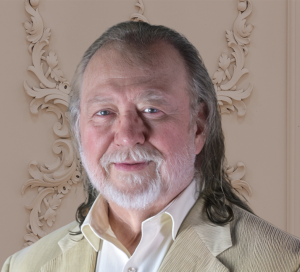
Rochelle Wright, M.S., LMHC, LCDP

Building on similar principles, Repair and Reattachment therapy guides grieving clients through a structured process aimed at reopening the emotional connection to a loved one who has died. Practitioners report that clients frequently describe the sessions as producing more than comfort — an actual felt sense of contact, with specific and sometimes verifiable details emerging that the client had no ordinary way of knowing.

Rochelle Wright, a Washington-state licensed psychotherapist, was using the eye-movement desensitization and reprocessing procedure to help her clients overcome traumas. Rochelle had learned about Dr. Botkin’s IADC procedure. She began using it with her patients suffering grief from the death of a loved one. She also found that her clients were having after-death communications with their loved ones for whom they were grieving. She improved on Dr. Botkin’s procedure by engaging the people living in the afterlife in guiding the therapy session. She called the procedure Repair & Reattachment Grief Therapy. It is remarkably successful. 98% of clients have an afterlife communication in one session, and the communications reduce their grief dramatically. Today, several hundred psychotherapists are using the procedure successfully with their clients.

This is the case of a patient named Elizabeth who came to Rochelle in deep grief over the death of her Aunt Mary. This is a narration of Rochelle’s account of the grief-therapy session.
Rochelle’s Repair & Reattachment Session with Elizabeth

Elizabeth came to me for psychotherapy to relieve her of the traumatic memories that kept playing in her head connected to her aunt’s passing. She told me the most disturbing memory she had was when the phone rang in the middle of the night and her mother was screaming that Aunt Mary had died. She rated it as the highest disturbance score possible, a 10 on the 10-point scale. I told her to keep that image and the thoughts that go along with it in mind. I guided her through a set of the EMDR eye movements and she closed her eyes. After a short time, she opened them and told me this account of what happened while her eyes were closed: She told me, “I saw myself going to my aunt and uncle’s house for Aunt Mary’s funeral. Her body is in a casket in the living room. My uncle and cousins, Aunt Mary’s children, were there.”

After another set of eye movements, Elizabeth closed her eyes. After a minute or two, she opened her eyes and said the scene had changed. “I kept hearing, ‘Lizzie, Lizzie.’ That’s what Grandma called me. I saw Grandma sitting by a tree on a white blanket. She wanted me to come over there to her.”

We did another set of eye movements and Elizabeth closed her eyes. After a minute, she opened her eyes and said, “I was sitting by Grandma. I’m a little girl and my dad and uncles are there. They’re all close, surrounded by love. They are telling me they have healed all the hurt they had in their lives. What they said to me is, ‘It’s all a game, a drama we play out, but in the end its essence is love. Love and connection are all that matters. The rest is just a game.’ I again heard the words over and over, ‘Love and connections. Over here, there’s just love and connections.’”

With that message, Elizabeth felt the connection was finished, so we ended the session.

Before she left, I asked Elizabeth about the memories of her aunt’s death she had rated at the beginning of the session as 10s, the highest score of disturbance. She said they had all reduced to zeroes. She was joyous.

In another psychotherapy session performed by Rochelle, a woman named Tina had previously a successful Repair & Reattachment Grief Therapy session with her husband, Joe, and came back for a second session to connect with her grandmother. This is Tina’s description during the Repair & Reattachment Grief Therapy session.

Rochelle’s Session with Tina

I was in a room, but it faded to black. Someone grabbed my hand from the right side. I think it was my husband, Joe. He was taking me to a room where my grandma may be. We went through a door and emerged into a garden room. I saw Grandma to my left, saying ‘Mein Kind.’ That means ‘My kid.’ My grandma and I walked a short distance and sat together on a bench. I said, ‘Can I ask you questions in English?’ She said, ‘Natuerlich. Naturally, naturally.’ I asked her if my grandfather was there. She said he was, in the distance. I asked if he knew I was there, and she said, ‘Yes!’

Grandma began stroking my hair, and I burst out crying. Grandma said, ‘Don’t be sad. We will all be together again.’ She then gestured to show me that Joe was standing in the background. I went to him and we kissed and hugged. The three of us sat down together. Grandma said, ‘Be happy we are all together. It’s nice to sit together. It’s been a long time, and wonderful to have Joe sit with us, Mein Kind.’

She said to me, ‘You are doing okay, but you must go forward.’ She then spoke in German, starting with ‘Mein liebling,’ meaning ‘My love.’ The translation of the rest was, ‘My life was mine. Joe had his. You have your life. We have to all move forward.’ She was showing me my people in the distance, saying ‘See. They are all doing something!’

My Grandmother then said that her mother and father were there, and added, ‘We are all moving forward. We do everything together, like we did before. We have our jobs to do. There is always work to do.’

‘Mein Kind,’ she said, continuing in German. This is the translation: ‘You have to live every day to the fullest.’ I asked her, ‘What about the work I’m doing with Rochelle in afterlife connections?’ She said in German, ‘You can only go so far with the afterlife. Everything is not to be seen. It’s good to do this work, but you can’t go as far as you’d like. Otherwise, you would be in the afterlife. The work does help people, but when you go too far, you end up there.’

Joe was sitting close by. I acknowledged him for a minute.

Then my grandma said, ‘All is good. All is clear. It’s nice we could get together.’ Grandma and I were hugging. ‘You don’t have to be sorry for anything,’ she said in German. ‘Das war schoen,’ she said, meaning ‘This was nice!’ Then she said, ‘I love you and Joe loves you. We look out for each other.’ She ended with ‘Bis dann,’ meaning until later.

People Have Self-Guided Afterlife Connections with Loved Ones

Dr. R. Craig Hogan

Not everyone who experiences connection has used a formal method at all. Many people, simply by quieting their mind and directing loving attention toward their deceased loved one — in the shower, on a walk, in the last moments before sleep — report a shift: a felt sense of presence, an unexpected thought that does not feel like their own, a wave of comfort arriving at precisely the moment they needed it. These self-guided experiences, though less structured, follow patterns strikingly similar to the clinical cases above.


You can go through the training developed by Dr. R. Craig Hogan, president of the Afterlife Research and Education Institute, that will enable you to have your own afterlife connections with the people you love while you sit in the privacy of your home at https://communicate.afterlifeinstitute.org/


A woman had a Self-Guided Afterlife Communication session in which she communicated with her son, William, who transitioned at age 12. She had the experience on her own with her eyes closed, sitting in the comfort of her home. This is her account of what she experienced.

A mother’s description of her self-guided connection with her son

There was a light. I think William appeared shortly after that. He looked so good. He was wearing a yellow Adidas t-shirt. Then William showed me this big pink flower, and it was so weird it was like the flower was alive. It was so fresh and moist. It was like the flower could breathe. There was a lake and lily pads with more flowers and William said, “Lotus Land.” He said the flower was a lotus. I never would have known this. Then off a bit to the left there was this amazing show of colors; it was Aurora Borealis. It was not like the Aurora Borealis we have here in Alberta. This was like Aurora Borealis cranked up like you have never seen! It was mind blowing and magical. The colors were like I could go in the colors.

William said he liked where he was. He missed and loved me. He asked if I could come there. He said there is every kind of ice cream there that you can imagine, even cherry chunks in vanilla which was his favorite. He said our dog Hershey cannot yet see him in spirit.

Then he took me down a road. It was like I was with him. I could see every pebble. He took me to an old covered wagon. There was a man sitting on the little wagon bench. He was older, had grey hair and a beard and was wearing one of those hats like they wear in the Australian outback. He was slim and had on a white shirt and brown pants with suspenders. He did not say anything to me or acknowledge me. The wagon I could see in such detail that I could see where the cloth of the covered part attached to the wagon part. I could see some loose threads. The wagon was being pulled by two enormous beautiful black Clydesdale horses. They were magnificent. I looked directly into their eyes and they looked back at me like they were an inch from my face. I could feel their breath and the softness of their nostrils. They had white fur on their legs down near their hooves. I could see the fur so clearly like little bits of dirt in the fur. It was so clear. I cannot describe how clear this was it was just so amazing.

I think at this point I had almost forgot I was sitting in a chair. I was so engrossed in my surroundings. William said he liked riding in the back of the wagon. Then at that point I could feel William was leaving. He said he would see me later and he loved me.

In another psychotherapy session performed by Rochelle, a woman named Tina had previously a successful Repair & Reattachment Grief Therapy session with her husband, Joe, and came back for a second session to connect with her grandmother. This is Tina’s description during the Repair & Reattachment Grief Therapy session.

Rochelle’s Session with Tina

I was in a room, but it faded to black. Someone grabbed my hand from the right side. I think it was my husband, Joe. He was taking me to a room where my grandma may be. We went through a door and emerged into a garden room. I saw Grandma to my left, saying ‘Mein Kind.’ That means ‘My kid.’ My grandma and I walked a short distance and sat together on a bench. I said, ‘Can I ask you questions in English?’ She said, ‘Natuerlich. Naturally, naturally.’ I asked her if my grandfather was there. She said he was, in the distance. I asked if he knew I was there, and she said, ‘Yes!’

Grandma began stroking my hair, and I burst out crying. Grandma said, ‘Don’t be sad. We will all be together again.’ She then gestured to show me that Joe was standing in the background. I went to him and we kissed and hugged. The three of us sat down together. Grandma said, ‘Be happy we are all together. It’s nice to sit together. It’s been a long time, and wonderful to have Joe sit with us, Mein Kind.’

She said to me, ‘You are doing okay, but you must go forward.’ She then spoke in German, starting with ‘Mein liebling,’ meaning ‘My love.’ The translation of the rest was, ‘My life was mine. Joe had his. You have your life. We have to all move forward.’ She was showing me my people in the distance, saying ‘See. They are all doing something!’

My Grandmother then said that her mother and father were there, and added, ‘We are all moving forward. We do everything together, like we did before. We have our jobs to do. There is always work to do.’

‘Mein Kind,’ she said, continuing in German. This is the translation: ‘You have to live every day to the fullest.’ I asked her, ‘What about the work I’m doing with Rochelle in afterlife connections?’ She said in German, ‘You can only go so far with the afterlife. Everything is not to be seen. It’s good to do this work, but you can’t go as far as you’d like. Otherwise, you would be in the afterlife. The work does help people, but when you go too far, you end up there.’

Joe was sitting close by. I acknowledged him for a minute.

Then my grandma said, ‘All is good. All is clear. It’s nice we could get together.’ Grandma and I were hugging. ‘You don’t have to be sorry for anything,’ she said in German. ‘Das war schoen,’ she said, meaning ‘This was nice!’ Then she said, ‘I love you and Joe loves you. We look out for each other.’ She ended with ‘Bis dann,’ meaning until later.

Why Is This Evidence Beyond a Reasonable Doubt of the Afterlife?

What makes the evidence in this lesson distinctive is that it did not begin as a search for proof of the afterlife at all. Dr. Botkin was treating grief with an established therapy technique when his clients, without warning or suggestion, began reporting direct contact with the people they were grieving. Rochelle Wright discovered the same phenomenon independently, refining it into a method now used by hundreds of practitioners with a documented 98 percent success rate. Neither clinician set out to find evidence of survival — the evidence found them, repeatedly, across thousands of sessions with clients who had no reason to expect it and often no prior belief in it.

The specificity of what comes through in these sessions is difficult to explain by any conventional account of grief or imagination. Jim did not simply feel comforted after his session with Dr. Botkin — he received a message about his friend Simon that was independently confirmed the very next day by Simon’s own wife, who had experienced the identical communication in a dream she had not yet shared with anyone. Elizabeth did not simply feel her grief ease — she described her grandmother by name, in detail, delivering a specific philosophical message about love and moving forward that Elizabeth had never heard her say in life. William’s mother did not report a vague sense of peace — she described his exact clothing, his favorite ice cream flavor, and interactions with a family pet, none of which could be attributed to wishful thinking alone.

Perhaps most significant is that these experiences are reproducible. Unlike a single dramatic encounter that might be dismissed as a one-time anomaly, IADC and Repair and Reattachment therapy produce afterlife communication in the overwhelming majority of sessions, under conditions a licensed clinician can observe directly. When a therapeutic technique originally designed for unrelated purposes reliably opens a channel to specific, verifiable communication from the deceased — and does so whether the client set out looking for it or not — the pattern points toward something more than coincidence or suggestion. It points toward a form of communication that is available, upon request, to anyone willing to try it.

Reflection: Of the methods described in this lesson, which feels most approachable to you right now? You do not need to act on it yet — simply notice which one you find yourself drawn to.

Structured methods are one path to connection. But long before modern grief therapy existed, gifted trance mediums were already relaying detailed, verifiable messages from people who had died — sometimes to complete strangers who had never mentioned the deceased by name.

Questions and Topics for Group Discussion

  • Unlike the earlier lessons, this one describes methods ordinary people can learn and try themselves. Does that accessibility make the evidence more or less compelling to you?
  • Induced After-Death Communication grew out of an accidental discovery during ordinary grief therapy. What does it mean to you that a clinical technique, not designed for this purpose, opened this door?
  • Of the four methods in this lesson — IADC, Repair and Reattachment, Loving Heart Connections, and self-guided practice — which feels most approachable to you personally, and why?
  • Many self-guided experiences happen during ordinary moments — a walk, a shower, just before sleep. Have you ever had a comforting thought or feeling in a quiet moment that, in hindsight, might have been more than your own mind?
  • Many self-guided experiences happen during ordinary moments — a walk, a shower, just before sleep. Have you ever had a comforting thought or feeling in a quiet moment that, in hindsight, might have been more than your own mind?

You Can Be Part of Helping Humanity Change.

Your support helps bring this work to everyone suffering from fear of death or grief over the passing of a loved one.

If the Afterlife Research and Education Institute’s work means something to you, please support it with $6 a month or $65 per year or another donation amount you specify.

You can go through the other nine lessons in this app at https://youwillneverdie.afterlifeinstitute.org. The Afterlife Research and Education Institute has created apps with
You can go through the apps at https://afterlifeinstitute.org.